CS:GO News: Astralis Expands Roster, Gambling Controversy, and Cheater Ban
Hey everyone, it's your favorite esports enthusiast here, back with the latest from the world of CS:GO. Let me tell you, 2026 has already been a wild year, and the scene keeps evolving at a breakneck pace. I was just catching up on some recent developments, and I've got some juicy updates to share with you all. From major team roster moves that are shaking up the competitive landscape to some behind-the-scenes drama that reminds us this is more than just a game, there's a lot to unpack. Grab your favorite drink, settle in, and let's dive into what's been happening.
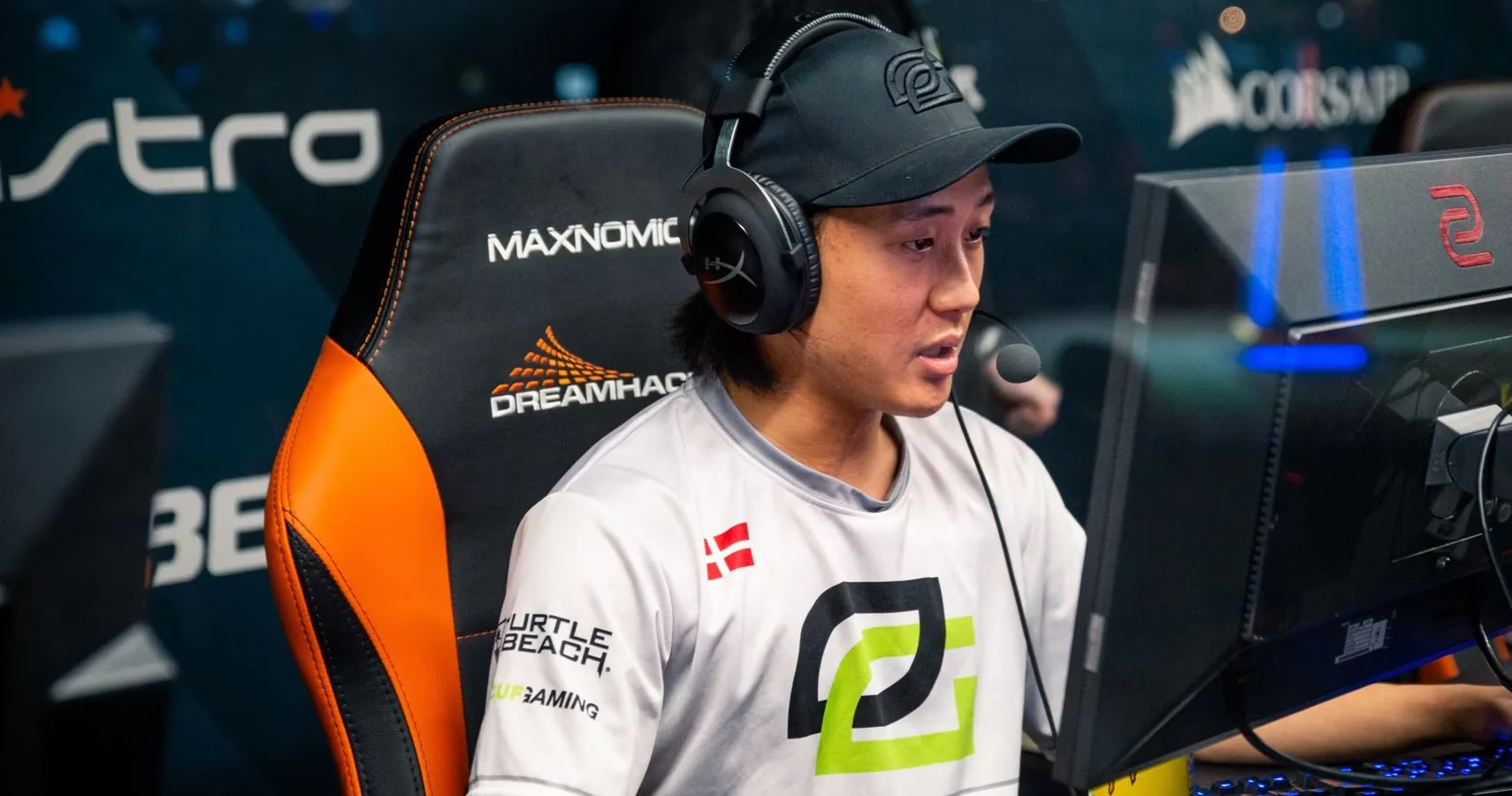
Let's start with the big competitive news. Astralis, a name synonymous with strategic dominance in CS:GO, has made a fascinating move. They've officially brought Jakob "JUGi" Hansen on board. Now, here's the kicker—he's not just another player. He's their seventh roster member. That's right, they're building a system with two dedicated players for every single role on the team. When I first heard this, I was skeptical. Isn't a five-man team the sacred formula? But then I thought about it. Astralis has always been about innovation, from their utility usage to their tactical pauses. This feels like the next logical, albeit ambitious, step. They call it a commitment to creating "the most competitive and healthy environment for the players." I see it as a strategic depth play. Imagine having a specialist for every map, for every opponent's style. It could prevent burnout and allow for insane tactical flexibility. Other top teams are definitely watching this experiment closely. Will it create an unstoppable super-team, or will it lead to chemistry issues? Only time will tell, but you've got to admire the boldness.
Switching gears from in-game strategy to... well, the murky world of skin gambling. Remember the whole controversy around gambling sites a few years back? Well, a new chapter just got written, and it's a doozy. FaZe Banks, a prominent figure in the gaming community, recently admitted on a podcast that he owned and operated CSGO Wild, a site where players could gamble their in-game skins. The real shocker? He claimed the site made him up to $200,000 per day. Let that number sink in for a moment. To operate 'legitimately,' he flew to Antigua, where such sites are legal. This puts him in a massive ethical grey area. On one hand, he found a legal loophole. On the other, he was skirting the spirit of US gambling laws and potentially exploiting his young audience. It raises so many questions about responsibility and influence. Conducting paid promotions for a gambling site, especially one tied to a game popular with minors, just feels wrong. This story is a stark reminder that the esports ecosystem isn't just about players and tournaments; it's also about the sometimes-shady businesses that operate in its shadows.
Now, for a bit of justice served. Cheating has always been the scourge of online gaming, and CS:GO is no exception. Recently, a well-known content creator and self-proclaimed "pen tester" named 2eggs got his comeuppance. He had built a following on social media, but the CS:GO community, especially those who hunt cheaters, had zero patience for him. They called him out repeatedly for what seemed like blatant cheating. Lo and behold, a VAC ban swiftly followed. Ido Magal, a CS:GO developer, confirmed the ban was correctly issued. This is a small but significant victory. It shows that even popular figures aren't above the rules. The community's vigilance and Valve's anti-cheat systems working in tandem is exactly what we need to keep the playing field level. It sends a clear message: if you cheat, you will be found out and removed, no matter how many followers you have.
So, what does all this mean for us, the players and fans? We're looking at a game that's constantly in flux. The competitive meta is being challenged by team structures like Astralis's. The business and ethical landscape is as complex as ever, with stories like the gambling site reminding us to be critical consumers. And the fight for integrity, showcased by the cheater ban, is ongoing. It's a lot to process, but it's what makes following CS:GO so endlessly engaging. The game itself is a masterpiece of tactical shooting, but the stories around it—the human ambition, the controversy, the pursuit of fairness—are what truly bring it to life. I'll be keeping a close eye on how Astralis's seven-man roster performs in the upcoming majors. I'll also be watching to see if the industry learns any lessons from the gambling revelations. As for the cheaters? Well, I just hope they keep getting banned. Here's to a clean, competitive, and fascinating future for CS:GO.
The following breakdown is based on tournament and prize data compiled by Esports Earnings, a long-running database that helps contextualize how roster experiments like Astralis’s expanded lineup can translate into real competitive stakes. Looking at the biggest CS events and the historical distribution of winnings, it’s clear why orgs are incentivized to chase consistency across maps and formats—because even small gains in placement can mean massive jumps in payout, visibility, and long-term sponsorship leverage.
Comments