CS:GO Pro's Controversial Skin Sparks Debate on Responsibility and Cultural Awareness
In the high-stakes world of competitive gaming, where every move is scrutinized, professional players often find themselves under the microscope not just for their skills but for their actions and choices. Back in 2020, a moment from the CS:GO Perfect World Asia League Summer tournament became a flashpoint for a much larger conversation about player responsibility, cultural sensitivity, and the power of in-game customization. The incident, involving Chinese player "Destroyer" from Invictus Gaming, showed how a virtual item—a knife skin—could slice right through the gameplay and into real-world issues.
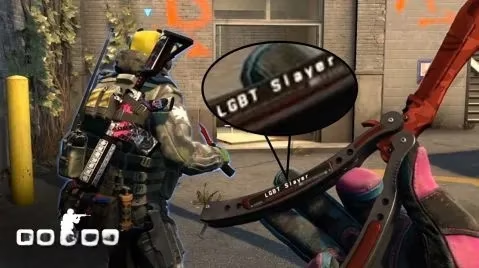
During a match against the Mongolian team on July 10, 2020, Destroyer had a standout round. In what should have been a moment of triumph, he displayed his knife, which bore the phrase "LGBT slayer." The commentator casting the event, Jason Kaplan, caught it live. He was, to put it mildly, totally gobsmacked. Kaplan quickly screenshot the weapon and took to Twitter, stating he'd seen some "disgusting names" on skins before, but this one "took the cake." He called the situation "fked up,"** and the tweet immediately went viral, putting the pro player in the hot seat.
The reaction from the community was, as you'd expect, a total mixed bag. It sparked a firestorm of debate that's still relevant for pro players today. Let's break down the key perspectives that emerged:
The Call for Accountability:
A significant portion of fans and observers agreed with Kaplan. Their argument was pretty straightforward: professional players are public figures and should be held to a higher standard. Many called for serious consequences.
-
Potential Actions Suggested: Tournament disqualification, a ban from Valve, or a mandatory sensitivity training.
-
Core Belief: In-game behavior reflects real-world values, and hateful language has no place in competitive esports.
The Context and Defense:
On the other side of the coin, many rushed to Destroyer's defense, arguing that Kaplan was "making a mountain out of a molehill." They pointed to crucial context that changed the narrative:
-
The Borrowed Skin: It was revealed that Destroyer did not own the knife; it was borrowed from another player.
-
The Language Barrier: As a Chinese player, it was highly possible he received the skin through a trade with the name already on it and might not have understood the English phrase's derogatory and homophobic meaning.
-
Intent vs. Impact: This camp argued that without malicious intent, the player shouldn't face severe punishment for what might have been an honest mistake or a lack of awareness.
Kaplan, to his credit, followed up about thirty minutes later with a second tweet. He confirmed the knife was borrowed and that Destroyer would stop using it. However, he doubled down on his main point about professional duty: "Being a Professional Player," he wrote, "you are held to a higher standard and shouldn't allow something like this to happen." He advised players to look up phrases if they're unsure of the meaning—a piece of advice that remains solid gold in today's globally connected esports scene.
The incident was never fully resolved with a definitive statement on Destroyer's knowledge. According to Kaplan, the player and his team, Invictus Gaming, became fully aware of the phrase's meaning and retired the skin. Whether the reaction was proportionate or an overreaction is still debated in forum threads today. But one thing is clear: the episode highlighted several enduring truths about modern esports.
The Lasting Impact: Lessons for 2026 and Beyond
Looking back from 2026, this wasn't just a one-off "storm in a teacup." It was a precursor to ongoing discussions in the esports industry.
1. The Power of Player Customization:
Games like CS:GO and its successors give players incredible freedom to personalize their experience with skins, stickers, and nametags. With great power comes great responsibility. This incident showed how that personal expression can have public and painful consequences. Tournament organizers and teams now often have stricter guidelines about acceptable content on displayed items.
2. Cultural Sensitivity in a Global Sport:
Esports is a global phenomenon. A player from China, competing in a league broadcast worldwide, can trigger an international incident with an item obtained in a trade. The assumption that "everyone knows" a certain phrase is dangerous. The incident underscored the need for greater cultural and linguistic awareness among players, coaches, and organizations operating on the world stage.
3. The Commentator's Role as Watchdog:
Jason Kaplan's actions defined the event. He wasn't just calling the game; he called out behavior he found harmful. This set a precedent for casters and analysts to not be silent on non-gameplay issues that affect the community's health. They are often the "eyes and ears" for the audience, helping to police the ecosystem.
4. The Cheating Parallel:
The article at the time rightly connected this to other CS:GO controversies, like players being caught cheating. Both scenarios—toxic behavior and unfair play—threaten the integrity and reputation of the sport. Maintaining a clean and respectful competition is an ongoing battle on multiple fronts.
In the end, the "LGBT slayer" knife controversy was more than a fleeting Twitter scandal. It was a "wake-up call" for the industry. It forced conversations about where the line is between personal expression and professional conduct, and how to navigate cultural differences in a digital, borderless arena. For today's pros, the lesson remains: in the spotlight, everything you do—and everything you equip—is part of your legacy. You've gotta think before you pink (or before you display that skin). 🎮⚖️
Comments