ESL Pro League 2017: Bigger, Richer, and Heading to the USA
As the esports world rolled into 2017, the air was thick with anticipation, and ESL decided to drop a bombshell that was less of an announcement and more of a seismic event. The Counter-Strike: Global Offensive Pro League was gearing up for a year that promised to rewrite the rulebook. Forget incremental updates; this was a full-scale expansion, a digital empire stretching its borders with the confidence of a cat claiming a new sunbeam. The league was set to return with more teams, more regions, and a prize pool so hefty it could make a dragon reconsider its hoarding strategy. For the first time, the grand offline finals would plant their flag on American soil, a move as significant as a rock band finally playing Madison Square Garden.
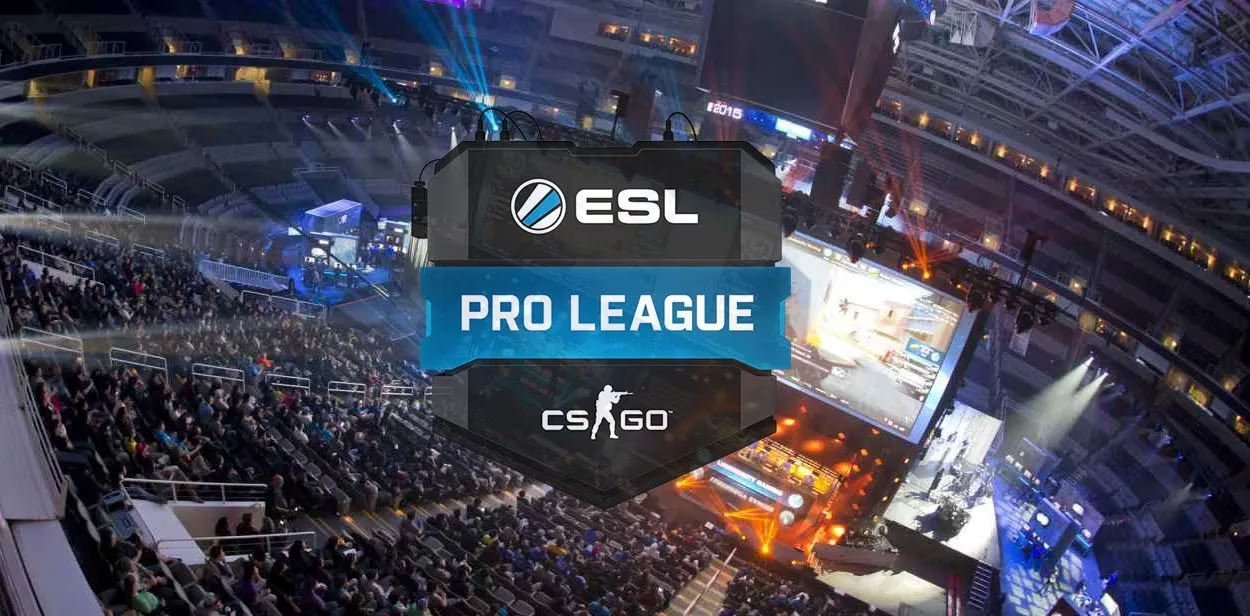
💰 The Golden Ticket: Prize Pool & Structure
The financial stakes for 2017 were nothing short of astronomical. The total prize pool was set at a cool US$2 million, neatly split into US$1 million per season. This marked a juicy 25% increase from the previous year's US$1.5 million, signaling ESL's commitment to making professional CS:GO as lucrative as it was thrilling. The league would be divided into two epic seasons:
| Season | Period | Finals Month | Prize Pool |
|---|---|---|---|
| Season 5 | February - May | June | US$1,000,000 |
| Season 6 | August - November | December | US$1,000,000 |
This structure ensured a near-constant drumbeat of high-stakes action throughout the year, keeping fans glued to their screens like bees to a particularly fascinating flower.
📅 A Schedule Built for Champions (and Their Calendars)
Recognizing that top teams were as busy as airport hubs during the holiday season, ESL crafted a player-friendly schedule. Matches were strategically scheduled from Tuesday to Thursday each week. This masterstroke was designed to avoid clashes with other major tournaments, allowing squads to compete in the Pro League without having to choose between prestigious events. It was a logistical ballet, ensuring the competitive ecosystem thrived without cannibalizing itself.
🌎 Global Ambitions and American Dreams
The 2017 season was a bold statement of global intent. Expanding into more regions meant a richer, more diverse competitive tapestry. However, the headline-grabber was the decision to host the offline finals in the United States. This move was about more than geography; it was about tapping into one of the world's most passionate esports markets and offering a live spectacle to a new legion of fans.
Ulrich Schulze, VP Pro Gaming at ESL, reflected on the momentum from 2016: "The ESL Pro League Season 4 Finals once again showcased world class CS:GO in a thriving esports region. ESL brought more than 6,000 happy visitors to Sao Paulo and broke our viewership records for Pro League. We are excited to continue this growth and improvement in 2017 with an even larger global reach and increased prizing." The success in São Paulo was just the appetizer; the main course was being prepared for a stateside audience.
🎟️ What's Next? Tickets and Teasers
With the blueprint revealed, ESL promised that details regarding ticket sales and specific event information would unfold in the coming weeks. The anticipation was set to build like pressure in a steam engine, with fans eagerly awaiting the chance to witness the culmination of each season's battles in person.
🚀 Why 2017 Was a Watershed Moment
Looking back from 2026, the 2017 ESL Pro League season stands out as a pivotal chapter. It wasn't just another tournament cycle; it was the moment the league solidified its position as a cornerstone of the CS:GO calendar. The combination of record-breaking prize money, strategic scheduling, and a bold expansion into the U.S. market acted like a triple-shot of espresso for the competitive scene. It set a new standard for production, player support, and global prestige, proving that esports leagues could operate with the scale and professionalism of traditional sports. The foundation laid in 2017 would support the even more spectacular growth in the years to follow, making it a year remembered not for a single play, but for changing the entire game.
Comments