My Brush with the Law: How Six Aussie Gamers Nearly Ruined Esports for Everyone
Let me tell you a story that makes my mouse hand tremble. Picture this: six young guys, barely out of their teens, sitting in a room, not plotting a daring in-game strategy, but a real-life crime that could land them behind bars for a decade. As a fellow gamer, it's a stark reminder that the virtual battlegrounds of Counter-Strike: Global Offensive are sometimes just the warm-up act for much dirtier games played in the real world. These six Australian players, aged 19 to 22, weren't just having a bad day on Dust II; they were allegedly orchestrating a match-fixing scheme so blatant it would make any sports fan's blood boil. The Victorian Police, tipped off by a vigilant betting company, spent half a year untangling this web of deceit. Imagine their surprise when they discovered that these digital warriors weren't just throwing matches in an unnamed tournament; they were then turning around and placing bets against their own team. Talk about a lack of sportsmanship—this is criminal-level greed.
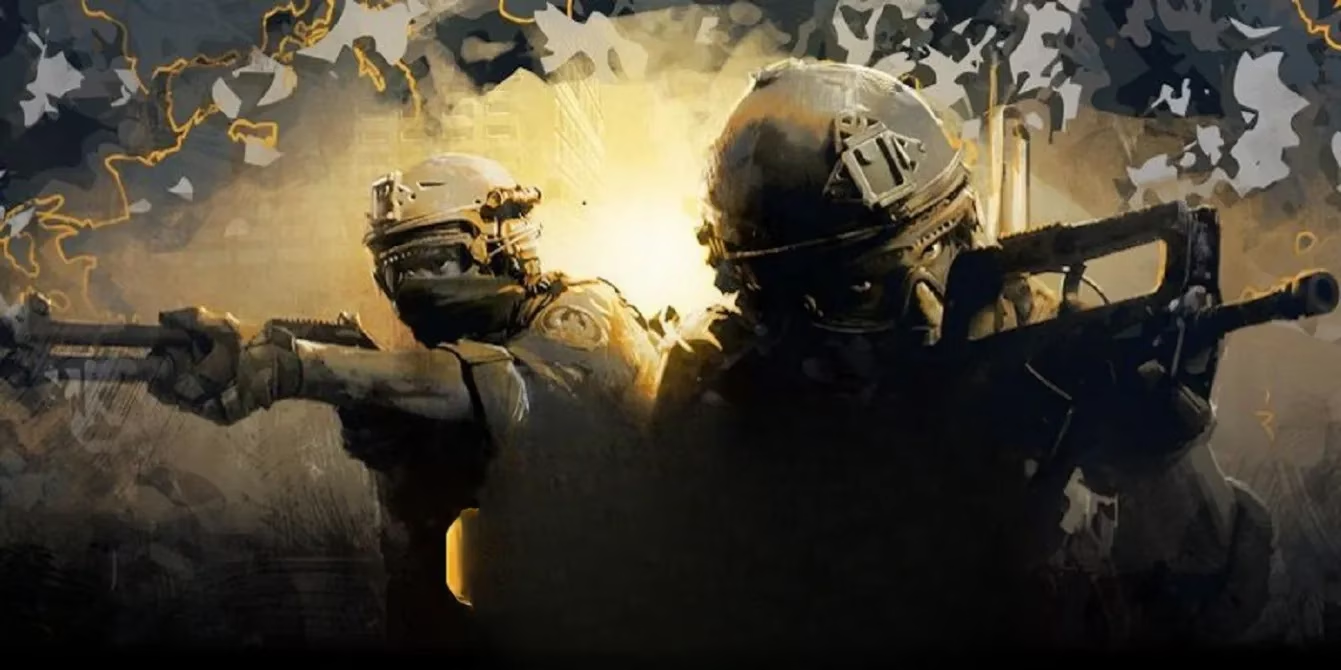
The Anatomy of a Digital Heist 🕵️♂️
So, how does this shady operation work? It's depressingly simple yet brazen. According to the authorities, these players allegedly agreed to lose specific matches on purpose. This isn't a case of a missed AWP shot or a botched smoke grenade; this is a premeditated collapse. The police report suggests at least five matches were tainted by this plot. But the real kicker? While their in-game avatars were taking a dive, these guys (or their associates) were busy placing over twenty bets on the predetermined outcomes. It's the ultimate insider trading scheme, but instead of stocks, the currency is competitive integrity. The Sporting Integrity Intelligence Unit and the Organised Crime Unit didn't just send a sternly worded email; they executed search warrants, made arrests, and conducted interviews. The fact that esports has its own dedicated police integrity unit in 2026 speaks volumes about how far we've come—and how deep the problems can run.
Why CS:GO? Follow the Money! 💰
You might wonder, why CS:GO? Why not some obscure mobile game? The answer, my friend, is written in cold, hard cash. CS:GO isn't just a game; it's a billion-dollar ecosystem. It's consistently one of the top esports titles, with tournaments regularly offering prize pools soaring past the $1 million mark. But the money doesn't stop at the trophy. Let's break down the revenue streams that make it a target:
| Revenue Stream | Why It's Lucrative | Link to Corruption |
|---|---|---|
| Tournament Prizes | Direct, high-value payouts for winning. | Incentive to win at any cost, including cheating. |
| Skin Economy | Virtual weapon cosmetics can sell for tens of thousands of dollars. | Used as untraceable currency for bets and bribes. |
| Betting Markets | Massive global wagering on match outcomes. | Direct financial incentive to fix the result. |
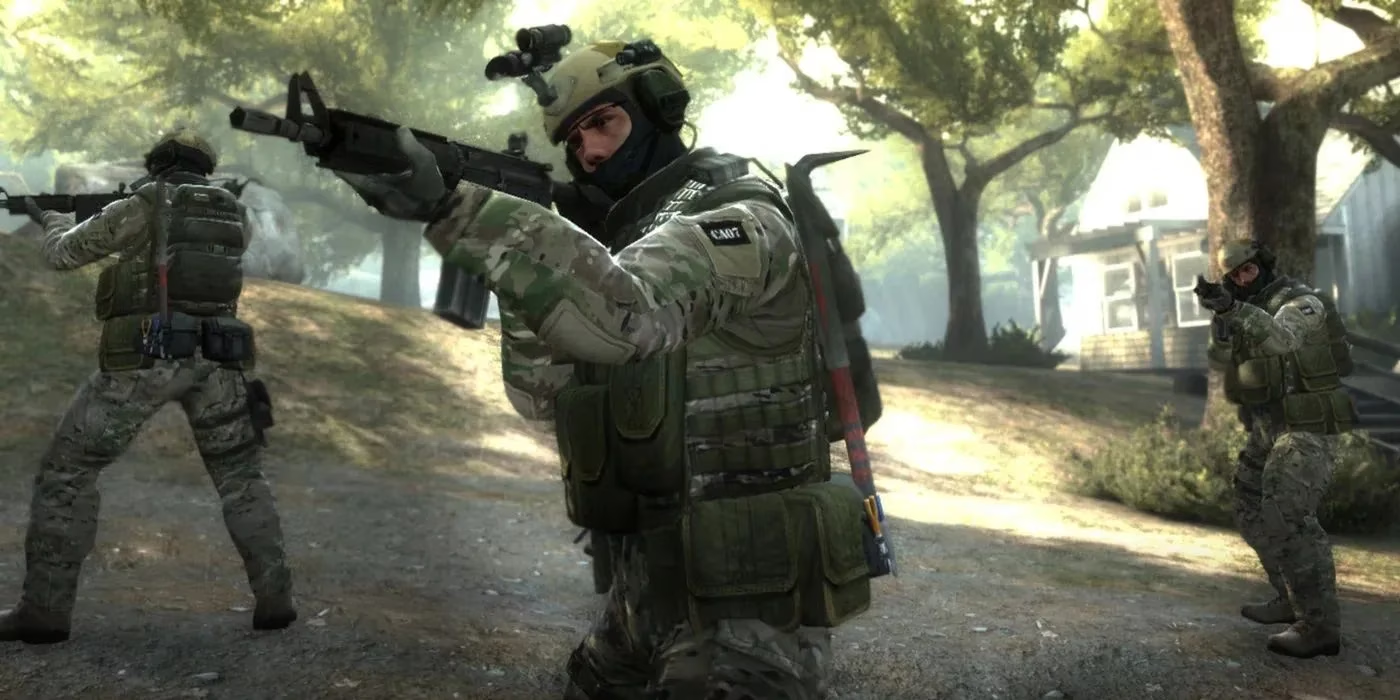
The skin market is a beast of its own. We're talking about digital paint jobs for guns that can cost more than a used car. This creates a parallel, often poorly regulated, economy that's ripe for exploitation. Remember the story from years back about a team whose owner—a skin gambling site operator—asked them to throw a match? That story highlighted a chilling truth: this corruption isn't a bug; for some, it's a feature. It seeps into every level, from amateur leagues to the professional circuit, tempting players who might see a quicker payday in losing than in the grueling work of winning fairly.
The Long Arm of the Law Gets a Gaming Rig ⚖️
Assistant Commissioner Neil Paterson put it perfectly when he called esports betting an "emerging industry." In 2026, it's not so emerging anymore—it's exploded. With that growth comes growing pains, and criminal elements looking for a new playground. Paterson's warning was crystal clear: "Police will take any reports of suspicious or criminal activity within esports seriously." The potential 10-year prison sentence these Aussie players are staring down isn't a slap on the wrist; it's a statement. It signals a global shift where law enforcement is no longer viewing game manipulation as a childish prank but as serious fraud. This case in Victoria is a landmark, proving that the digital realm is not a lawless frontier. Whether it's match-fixing, skin gambling fraud, or loot box manipulation, the authorities are now logging on and cracking down.
Valve's Radio Silence and the Community's Burden 🤐
Here's where the plot thickens, and frankly, where my gamer frustration kicks in. The developer, Valve, has historically been as communicative as a brick wall when scandals hit. At the time of this incident, they offered no public statement. Was the affected tournament one of their flagship Majors, or a smaller third-party event? The silence leaves everyone guessing. This corporate muteness is a problem. While police handle the outright crime, the community and the developers bear the burden of maintaining trust. Every fixed match erodes the legitimacy of the competition. It makes fans like me question every unexpected upset. Was it a brilliant underdog story, or a scripted farce? Valve's anti-cheat technology is legendary, but combating coordinated corruption requires transparency and proactive partnership with regulators and law enforcement, not just code.
The Ripple Effect: Why This Hurts All of Us 😔
This isn't just about six guys in Australia. This is about the soul of competitive gaming. When news like this breaks, it gives ammunition to those who still dismiss esports as not being "real" sports. It scares away legitimate sponsors. It makes families hesitant to support their kids' professional gaming dreams. The pursuit of easy money through match-fixing is a poison that contaminates the entire well. It disrespects the players who practice 12 hours a day for an honest shot, the castors who pour their passion into the broadcast, and the millions of fans who invest their time and emotion into the narrative of a tournament.
As we move forward in this multi-billion dollar industry, the lesson from Down Under is stark. Integrity isn't just a nice-to-have; it's the foundation. It requires:
-
Vigilance from betting companies (who were the heroes in this story).
-
Stronger regulations and oversight for tournaments at all levels.
-
Active involvement and clear communication from developers like Valve.
-
A community culture that glorifies fair play and ruthlessly ostracizes cheaters.
So, the next time you watch a clutch 1v5, enjoy the moment. But remember, behind the pixels and the prize pools, there's a real-world struggle to keep the game we love honest. Let's hope the handcuffs in Victoria serve as a permanent reminder: play the game, don't let the game play you.
Comments