Nevada's Game-Changer: Betting on eSports Goes Legit in 2026
Hold onto your headsets, folks, because the gaming world just got a whole lot more interesting. Back in the old days—like, 2020—the Nevada Gaming Control Board made a splash by approving betting on the DreamHack Masters Spring eSports event. Fast forward to 2026, and what started as a pandemic-era experiment has evolved into a full-blown revolution. With traditional sports facing their own set of challenges, eSports has stepped up to the plate, proving it's not just a passing fad but a bona fide heavyweight in the world of competitive entertainment. The approval wasn't just a nod to virtual shootouts in Counter-Strike: Global Offensive; it was a mic drop moment that screamed, 'eSports is here to stay, baby!' 🎮💰
The Legitimacy Leap: From Basement to Big Leagues
Let's break it down: when Nevada—the gambling capital of the world—gives eSports the green light, you know things are getting real. This wasn't some shady backroom deal; it was a calculated move that added a layer of legitimacy eSports had been craving for years. Think of it as the gaming equivalent of getting a VIP pass to the cool kids' table. Before this, eSports often felt like the underdog, but now? It's rubbing shoulders with the giants of football and basketball. The approval signaled a shift in mentality, showing that virtual competitions could hold their own in the high-stakes arena of sports betting. And hey, if professional NASCAR drivers were diving into iRacing tournaments back in the day, you know the trend was already picking up steam. In 2026, this legitimacy isn't just a footnote—it's the foundation of a multi-billion dollar industry that's more mainstream than ever.
The Nitty-Gritty: Betting Rules and Regulations
Of course, you can't just throw money at the screen and hope for the best. Nevada's approval came with a rulebook thicker than a gamer's energy drink stash. Licensed sportsbooks were allowed to offer three main types of bets, keeping things simple but spicy:
-
Head to Head: Pitting two players or teams against each other in a digital duel.
-
Match Winner: Betting on who takes the W in a single match.
-
Overall Winner: Going all-in on the tournament champion.
Other bet types could be proposed, but they needed Nevada's stamp of approval first—no wild west shenanigans here! The rules were strict: no betting mid-match (sorry, impulse gamblers!), and all wagers had to be placed before the action kicked off. Event rules also had to be crystal clear and available to every would-be bettor, ensuring no one could pull a 'I didn't know' excuse. These restrictions might sound harsh, but they're on par with traditional sports betting, proving eSports is playing by the same big-league rules. As of 2026, these frameworks have only gotten tighter, with AI-driven monitoring and blockchain transparency making the scene safer and sleeker.
The Digital Arena: How eSports Adapted and Thrived
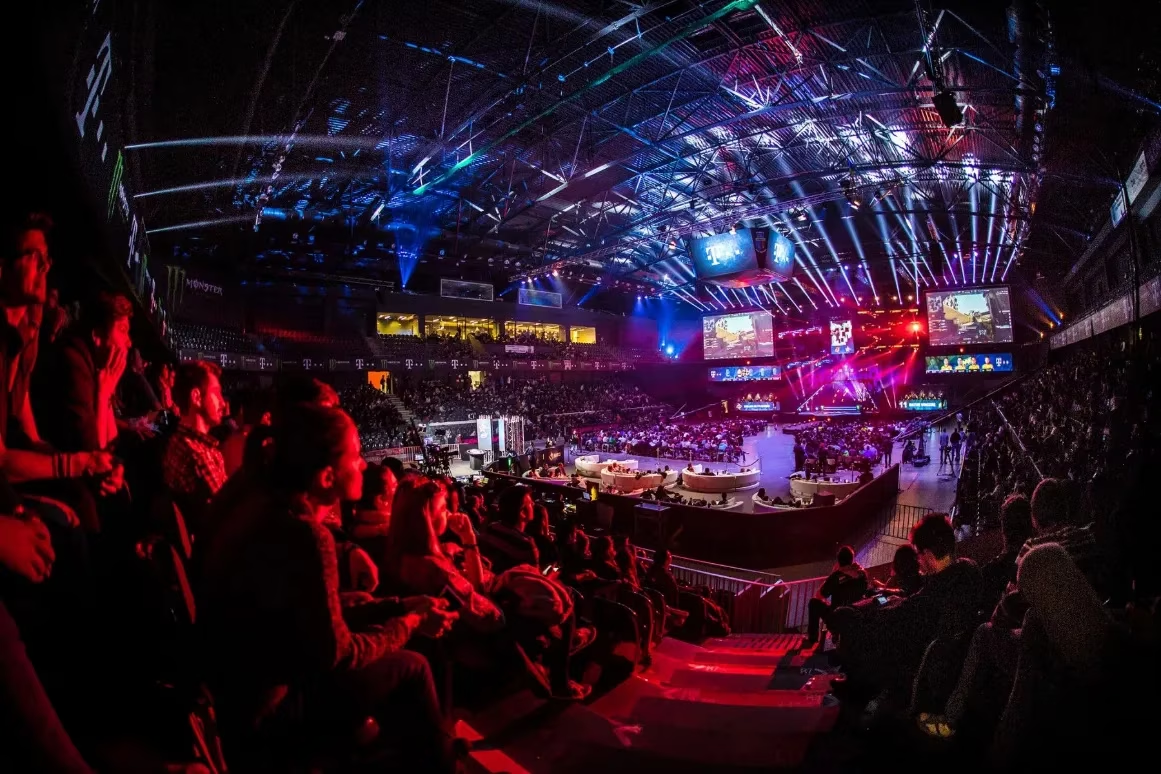
When the DreamHack Masters Spring went digital in 2020, it was a necessity—thanks, COVID! But in 2026, digital tournaments are the norm, and they've leveled up big time. Back then, the event was streamed on Twitch, with fans following a 'Follow the Stream' button on the website. Today, it's a global spectacle: think 4K broadcasts, VR viewing parties, and interactive betting apps that let you feel like you're right in the action. The shift to virtual wasn't just a pandemic pivot; it was a glimpse into the future. eSports proved it could thrive without physical venues, attracting millions of viewers from their couches. And with traditional sports still facing logistical headaches, eSports' adaptability has been its secret weapon. The momentum hasn't slowed—if anything, it's accelerated, with tournaments now featuring holographic displays and real-time stats that make betting more immersive than ever.
The Future Is Now: eSports Betting in 2026
Flash forward to today, and the DreamHack approval looks like a prophetic move. eSports betting isn't just legal in Nevada; it's a global phenomenon, with markets popping up from Las Vegas to London. The initial exemptions for video games have blossomed into a full-fledged industry, complete with:
-
Advanced Analytics: AI algorithms predicting match outcomes with scary accuracy.
-
Crypto Integration: Bitcoin and NFTs making transactions faster and flashier.
-
Cross-Platform Bets: Wagering on everything from CS:GO to mobile gaming tournaments.
And let's be real: the attention eSports gained during the coronavirus era wasn't a fluke. It was a wake-up call that virtual competition could be just as thrilling—and profitable—as the real thing. Approvals like Nevada's haven't been redacted; instead, they've multiplied, setting a trend that's reshaped how we view sports and gambling. In 2026, eSports betting is a staple, with dedicated channels, celebrity endorsements, and even college scholarships for top players. It's a far cry from the days of match-fixing scandals (remember those CS:GO allegations?), thanks to tighter regulations and a culture that values fair play.
Why This Matters: Beyond the Hype
So, what's the big deal? For gamers, it's validation—a sign that their passion is worth real money and respect. For bettors, it's a new playground with endless opportunities. And for the industry, it's proof that innovation pays off. The DreamHack Masters Spring of 2020 was just the opening act; today's eSports landscape is a blockbuster with no end in sight. From Twitch streams to stadium-packed finals, the journey has been nothing short of epic. And as technology evolves—think metaverse integrations and neural-linked betting—the future looks even brighter. So, whether you're a seasoned bettor or a casual viewer, one thing's clear: eSports isn't just changing the game; it's rewriting the rulebook. And honestly? We're here for it. 🚀🎯
In summary, Nevada's 2020 approval was the spark that ignited a fire. In 2026, eSports betting is a roaring blaze, fueled by legitimacy, technology, and a global community that can't get enough. It's more than a trend; it's a testament to how virtual worlds can shape our real ones—no headset required.
Comments