The Great Microtransaction Debate: A Player's Perspective on Cosmetics and the Future of Gaming
I remember the first time I genuinely considered spending real money on a purely cosmetic item. It was 2026, and the game I'd poured hundreds of hours into released a new character skin—a stunning, ethereal design that shimmered with every movement. It offered no stat boost, no competitive edge, just pure, unadulterated style. That moment crystallized the central debate in our gaming community: where do we draw the line on spending? As a player, I've seen the landscape evolve from simple expansion packs to a complex ecosystem of in-game purchases. My feelings, like many in our community, are nuanced, caught between a desire to support the games I love and a fear of predatory monetization that can ruin the experience.
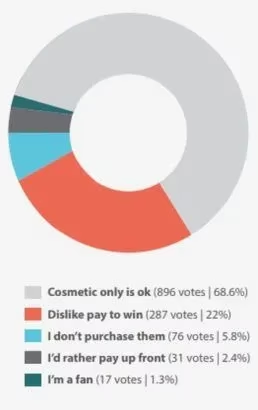
Recently, a fascinating report from Qutee, a data-driven discussion platform, quantified what I and my friends had been debating in voice chats for years. They analyzed over 1,862 comments and 10,457 poll votes, creating a snapshot of the modern gamer's mindset. The results were telling. A significant majority of us have made peace with one specific type of transaction. According to their survey, an overwhelming 68.6% of respondents stated that cosmetic-only microtransactions are acceptable. This sentiment resonates deeply with my own philosophy. I view these aesthetic purchases as a form of self-expression, a way to personalize my digital avatar and support the developers who provide ongoing content for a live-service game.
The breakdown of the community's stance was revealing:
| Player Sentiment | Percentage of Respondents | Approximate Votes |
|---|---|---|
| "Cosmetic only is ok" 😊 | 68.6% | 896 votes |
| "Dislike pay to win" 😠 | 22.0% | 287 votes |
| "I don't purchase them" 😐 | 5.8% | 76 votes |
| "I'd rather pay upfront" 💸 | 2.4% | 31 votes |
| "I'm a fan" 🤩 | 1.3% | 17 votes |
This data tells a powerful story. The core issue isn't monetization itself; it's how it's implemented. The 22% who actively dislike "pay-to-win" mechanics highlight our collective aversion to transactions that compromise competitive integrity. There's nothing more disheartening than losing a match because your opponent opened their wallet, not because they outplayed you. This distinction is crucial. Cosmetic items don't break the game's balance; they just let you look fabulous while playing it.
Reflecting on this in 2026, I see how the industry has shifted. Analysts predicted this move years ago, and they were right. The aggressive, game-altering monetization tactics of the past decade have largely given way to a more player-friendly model centered on optional aesthetics. The Qutee report's conclusion feels validated: the concept isn't fundamentally flawed. My own spending habits align with this. I'll gladly buy a skin for my favorite champion or a decoration for my virtual homestead, viewing it as a direct tip to the developers for their continued work. It feels like a fair exchange—I get a cool new look, and they get the resources to keep the servers running and deliver new story chapters.
Another encouraging sign from the data is how widespread this engagement is. The fact that less than 6% of players completely abstain from any microtransaction purchase is a strong indicator that this model is here to stay. It debunks the myth that only a tiny fraction of "whales" carry the financial burden. While those high-spending players certainly exist and are vital, the ecosystem is now supported by a much broader base of players like me, who make smaller, more considered purchases. We're not being exploited; we're participating in a new kind of value exchange.
However, the conversation has a glaring omission, one that Qutee's report openly acknowledges: loot boxes. 😟 This is where my personal comfort zone ends. Cosmetic microtransactions are transparent—I see a skin, I like it, I buy it. Loot boxes are a different beast entirely. They introduce an element of chance, of gambling, that feels predatory. Paying for a chance at the item you want, often surrounded by a shower of common, unwanted digital clutter, creates a psychologically manipulative loop. The debate around whether these constitute gambling, especially for younger players, continues to rage in 2026, with more regions implementing strict regulations. It's a stark reminder that not all monetization is created equal.
So, what does the future hold? As a player living through it, I'm optimistic but vigilant. The data suggests a path forward that respects both the player's experience and the developer's need for sustainability:
-
🎨 A Focus on Fair Value: Direct purchase cosmetic shops that offer unique, high-quality content.
-
⚖️ Eradication of Pay-to-Win: A continued industry-wide move away from mechanics that let money buy power.
-
🔍 Increased Transparency: Clear pricing and odds disclosure for any randomized elements.
-
❤️ Supporting Passion Projects: Using optional cosmetic purchases to fund ambitious, long-term support for games we love.
The heart of the matter, for me, is choice. Cosmetic microtransactions, when done ethically, empower that choice. They allow me to customize my journey and contribute to a game's longevity without forcing me into a paywall to experience core content. The debate will never fully disappear—new monetization methods will always be tested—but as we move forward, the community's voice, as captured in reports like Qutee's, is clearer than ever. We accept paying for style, but we will never stop fighting to protect the soul of the game itself.
Comments